Seattle car care · March 18, 2026 · Jenna R.
How Often Should You Wash a Seattle Car?
There isn’t one perfect wash schedule for every car. A vehicle that spends its days in a covered garage has different needs from one parked outside near busy streets. In Seattle, rain can make the paint look rinsed, but it doesn’t always remove the fine grit and road film left behind. Use your parking situation, driving habits, and what you can see on the finish to decide when it’s time for a proper clean.
Start with your everyday driving
Think about where your car goes during a normal week. A regular commute through busy streets can build up a light film on the lower doors, rear hatch, and wheels. If your route includes construction areas, muddy shoulders, or frequent highway miles, dirt may collect faster. A car used mostly for short neighborhood trips may stay presentable longer, especially when it is parked under cover.
Rather than following a rigid calendar, check the bodywork every week or two. If the glass is hazy, the paint feels gritty after a rinse, or road residue is easy to see around the wheels, an exterior wash is likely worthwhile. For many drivers, a wash every couple of weeks is a useful starting point, adjusted for weather and use.
Rain does not replace a wash
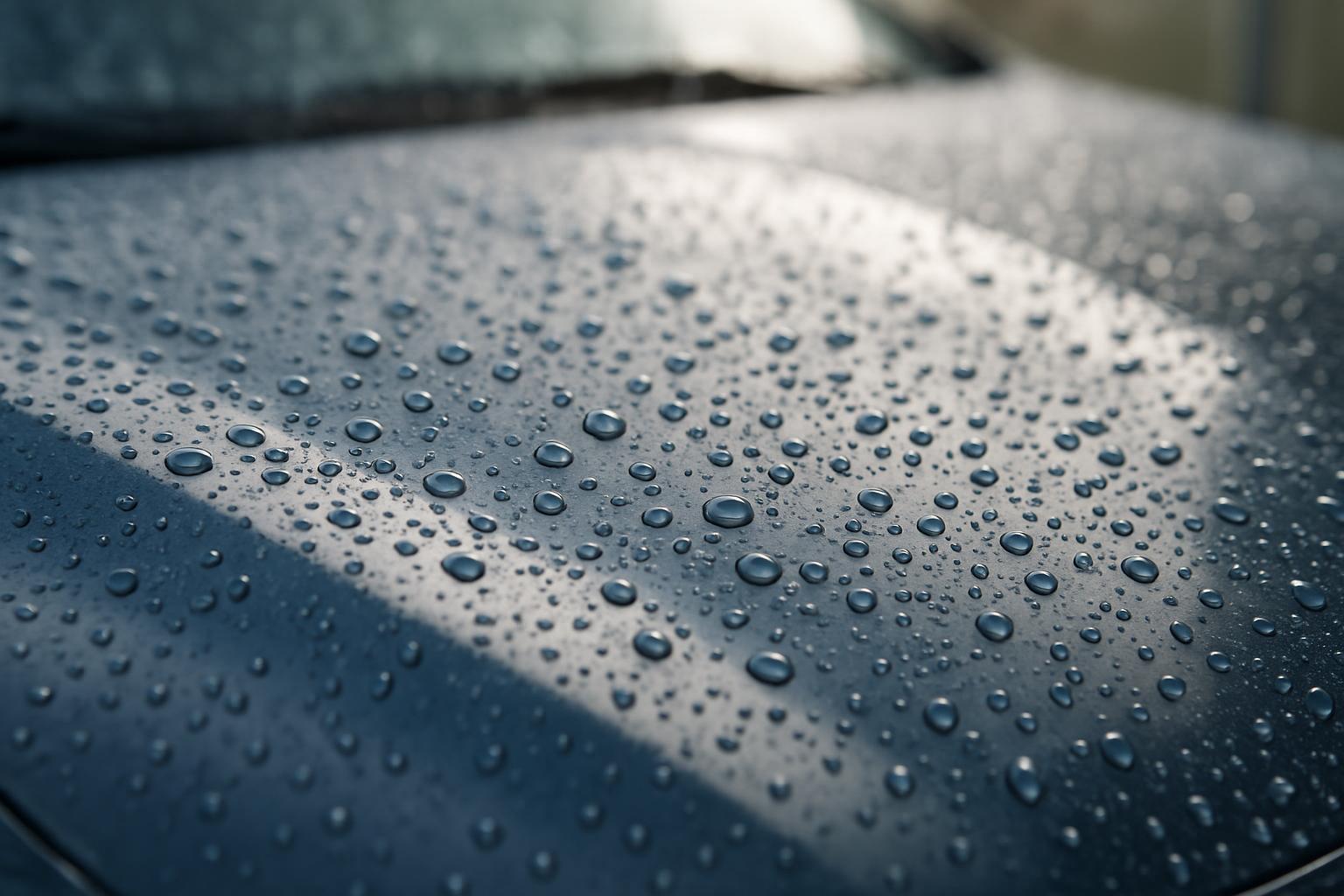
Seattle showers can soften loose dust, but rainwater also mixes with airborne particles and road grime. When it dries, it may leave spots or streaks, especially on glass and horizontal panels. Spray from other vehicles carries additional residue onto the sides and rear of your car. A rainy commute can therefore leave a car looking dirtier, not cleaner, by the time you park.
After a wet stretch, look at the lower panels and the area behind the wheels. If there is visible mud or a dull film, rinsing and washing can help remove it before it builds up. You do not need to wash after every shower; just pay attention to what remains when the car dries and choose a sensible moment for cleanup.
Adjust for season and parking
Seasonal conditions change what lands on your car. Autumn leaves and damp debris can gather around creases and edges. In winter, road spray and grit may accumulate more quickly, while spring pollen and summer dust create a different kind of film. Street parking beneath trees can also mean sap, bird droppings, or fallen material that deserves prompt attention.
Consider how long the car sits outside and whether it is exposed to trees, traffic, or construction dust. A covered parking spot may stretch the time between washes. A vehicle parked curbside on a busy route may benefit from more frequent attention. If a substance is stuck to the finish, avoid scraping it dry; ask about a suitable cleaning approach instead.
Conclusion
A practical wash routine is the one that responds to your car, not just the calendar. Start with a check every week or two, then adjust for commuting, rain, parking, and visible buildup. When the finish carries road film or the glass needs attention, choose an exterior wash; if the cabin also needs care, add an interior refresh. At Tommy Splash Car Wash, we can explain the options before work begins and help you choose a clean that suits the day.